Food & Safety Guides

Minimal flat vector illustration of a worried dog owner holding a small bowl of raisins, clean white background, soft pastel accents, bold readable title text, friendly medical-help vibe, no clutter, high contrast

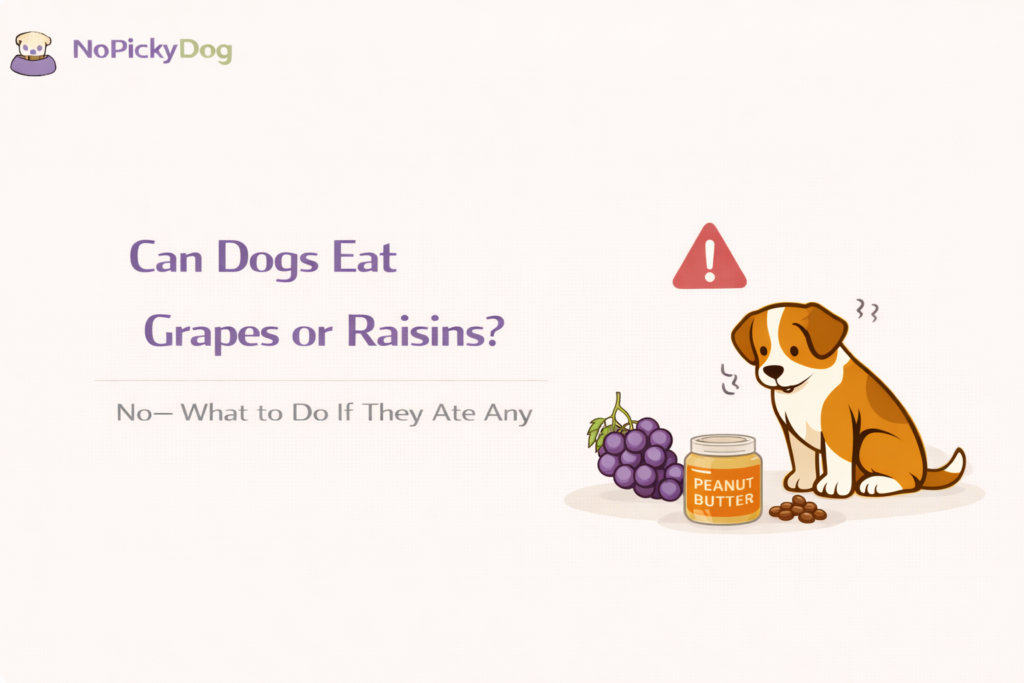
Dog Ate Raisins: What to Do Today (Emergency Steps + When to Call a Vet)

Raisins (and grapes, currants, and sultanas) are a true emergency food for dogs because they can trigger acute kidney injury in some dogs—and there’s no reliable way to predict which dog will be affected or how much is “safe.” If your dog ate any raisins (even a small amount), treat it as time-sensitive: the sooner

Dog Ate Raisins: What to Do Today (Emergency Steps + When to Call a Vet) Read More »

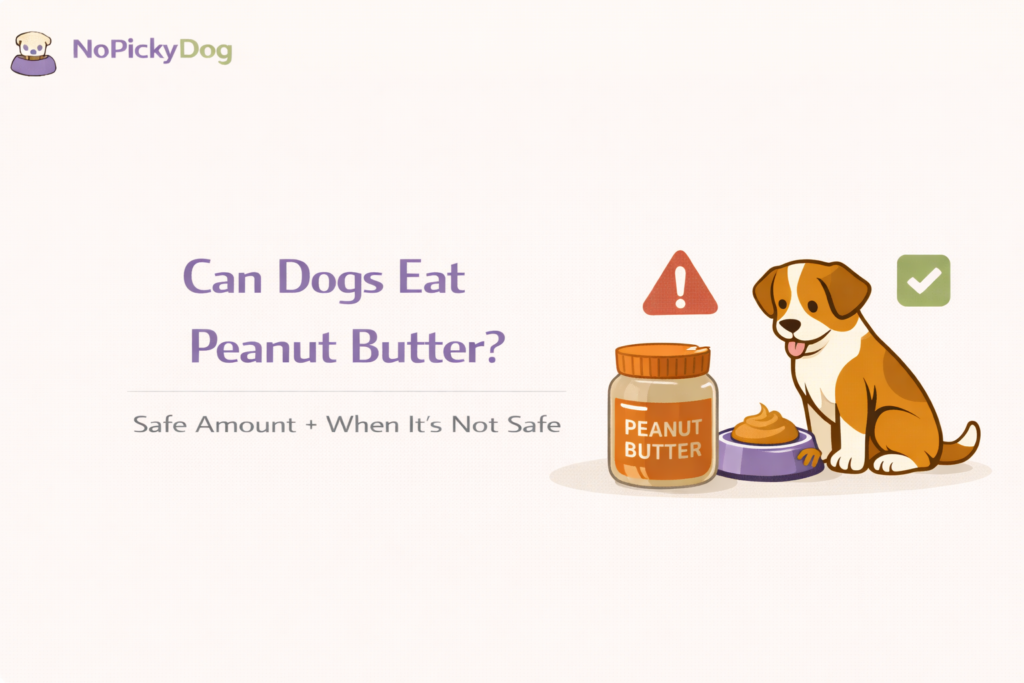
Peanut butter safety checklist for dogs: what to avoid on the label

Can Dogs Eat Peanut Butter? Safe Amount + When It’s Not Safe

Peanut butter is one of the most common “easy treats” for dogs—especially for training, pill hiding, or stuffing a toy. The problem is that peanut butter is very calorie-dense, and some products contain ingredients you should avoid. This guide gives you a simple safety checklist, a practical “safe amount” rule you can use today, and

Can Dogs Eat Peanut Butter? Safe Amount + When It’s Not Safe Read More »

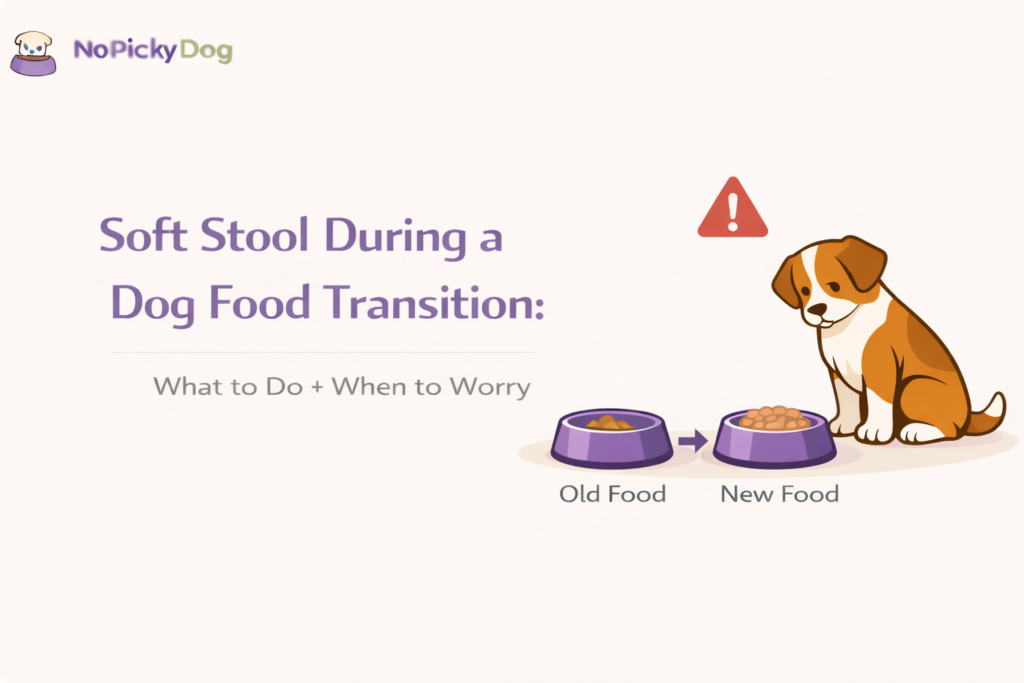
dog food transition with a measuring cup and a stool log to prevent soft stool

Soft Stool During a Dog Food Transition: What to Do + When to Worry

If your dog gets soft stool after switching foods (kibble to fresh, new kibble brand, new protein, new toppers), you’re not alone. A diet change is one of the most common triggers for sudden loose stool. The goal is not to “panic-switch” again. The goal is to protect hydration, slow the transition, remove extra variables,

Soft Stool During a Dog Food Transition: What to Do + When to Worry Read More »